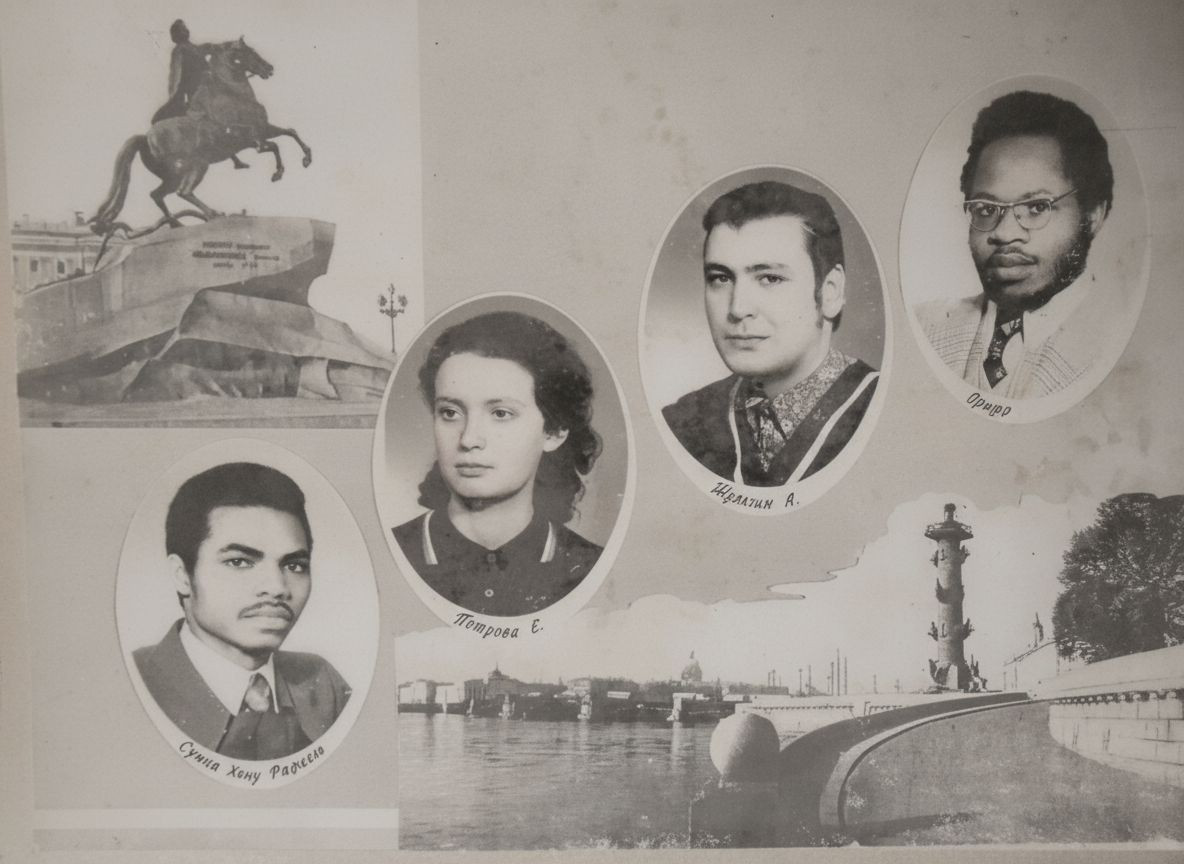
Returning from Leningrad after six years required its own adjustment. Nigeria had changed; so had I. Being deployed as a pupil engineer felt humbling after graduate studies abroad, but I understood it as the necessary first rung. I came back still on study leave without pay and was assigned to different engineering sections at P&T — learning the systems from the inside out.
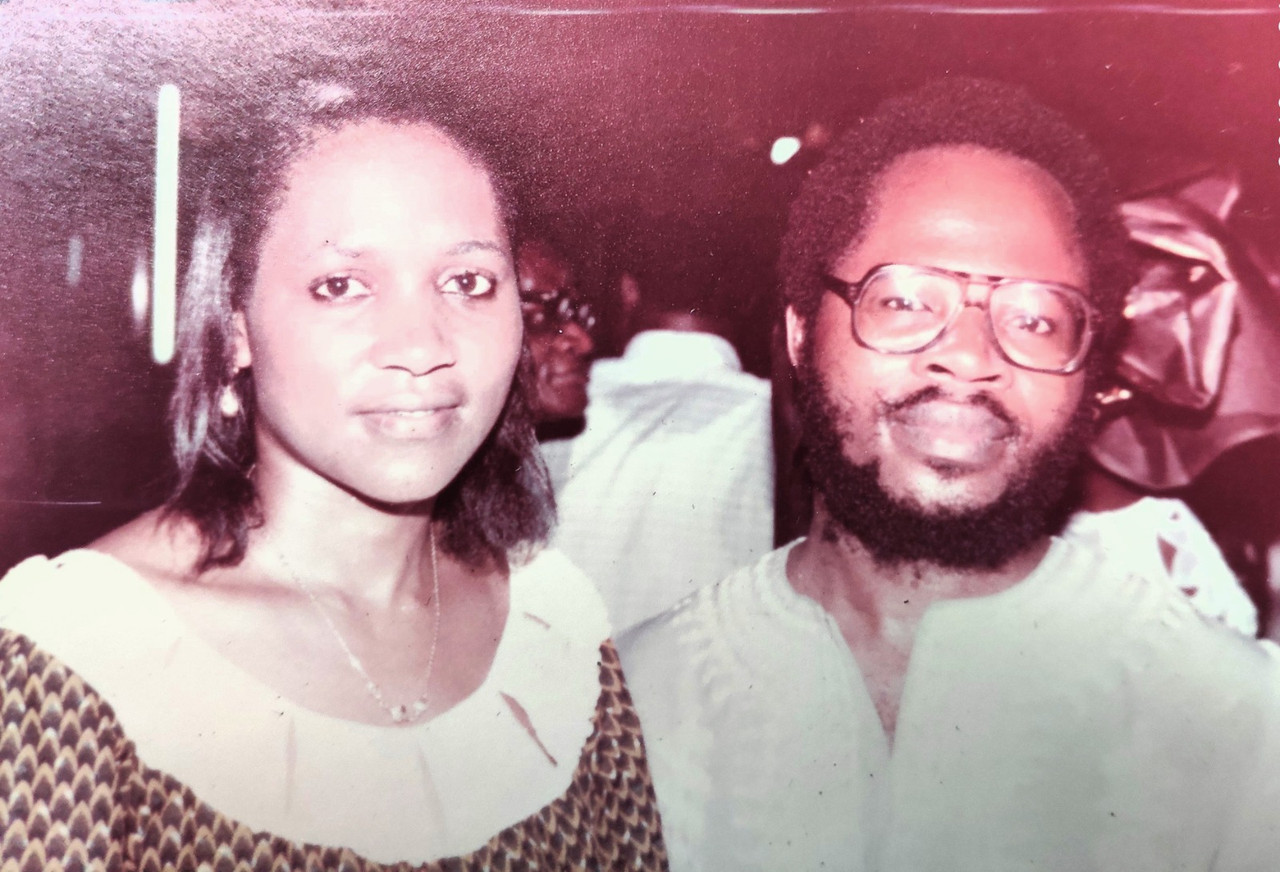
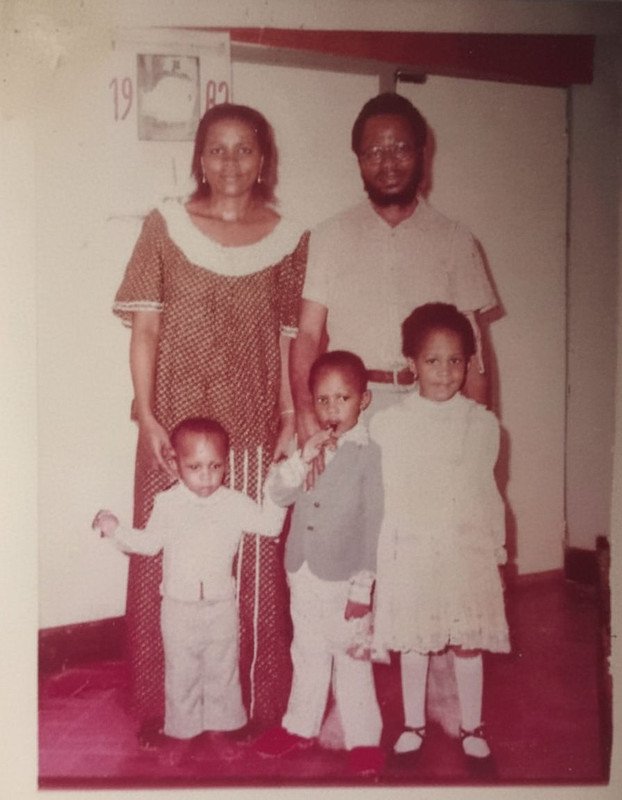
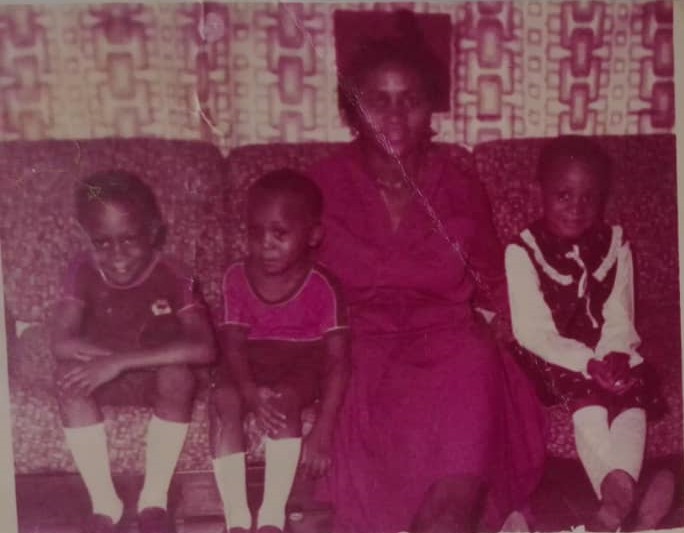
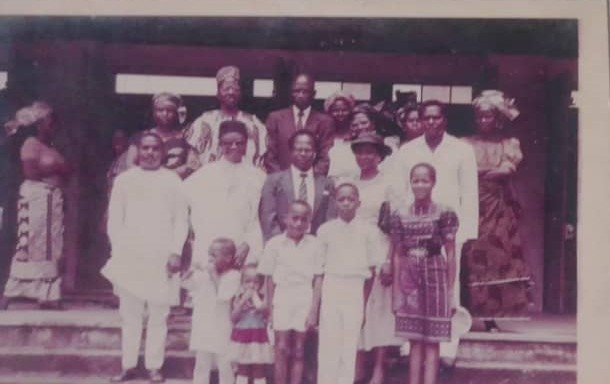
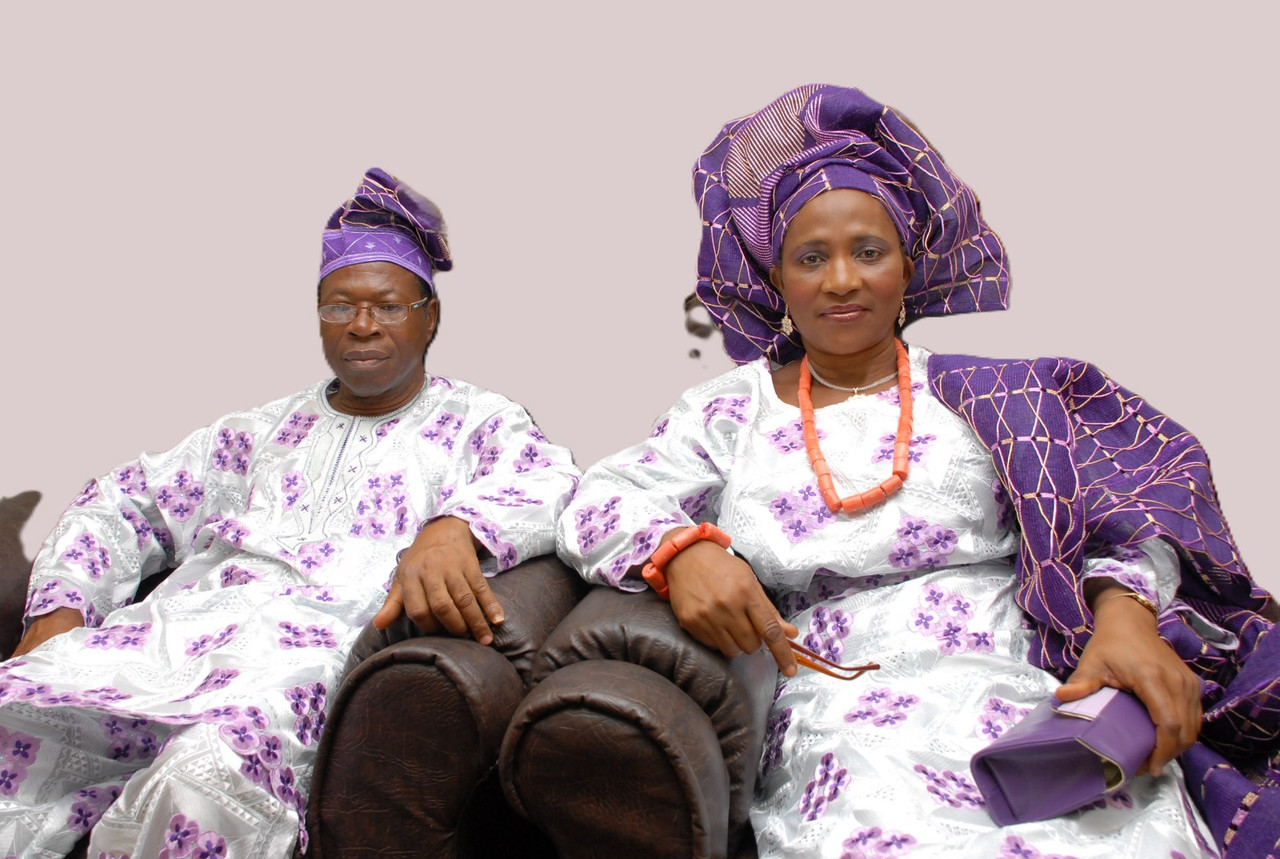
I rose steadily through the ranks, from Engineer 2 to Engineer 1, and then to Senior Engineer in 1980. Those were also the years in which my personal life took its most important shape. In 1976, I married my wife Agnes in Benin City, and we began building a family together. Agnes was a registered nurse and midwife, employed by the State Hospital Management Board — a woman of her own professional standing. Our first child was born in 1977, and all our children were born in Benin City, which became the family's anchor.
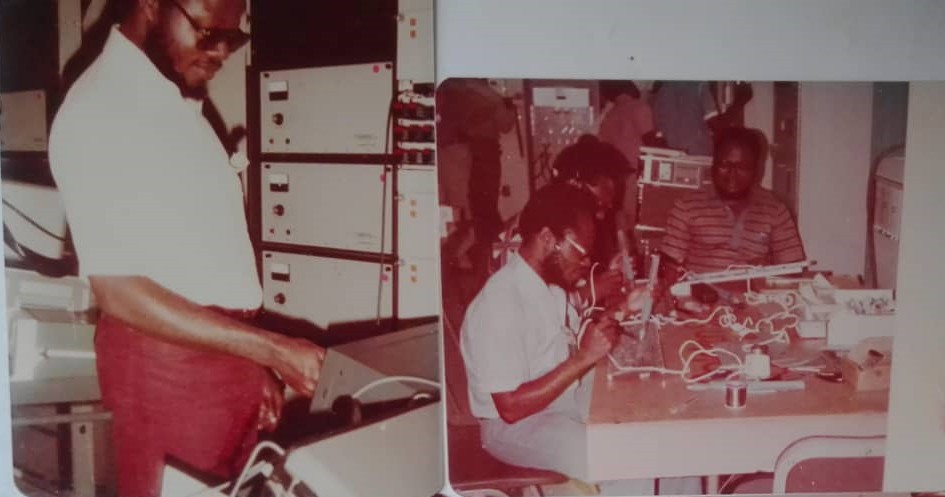
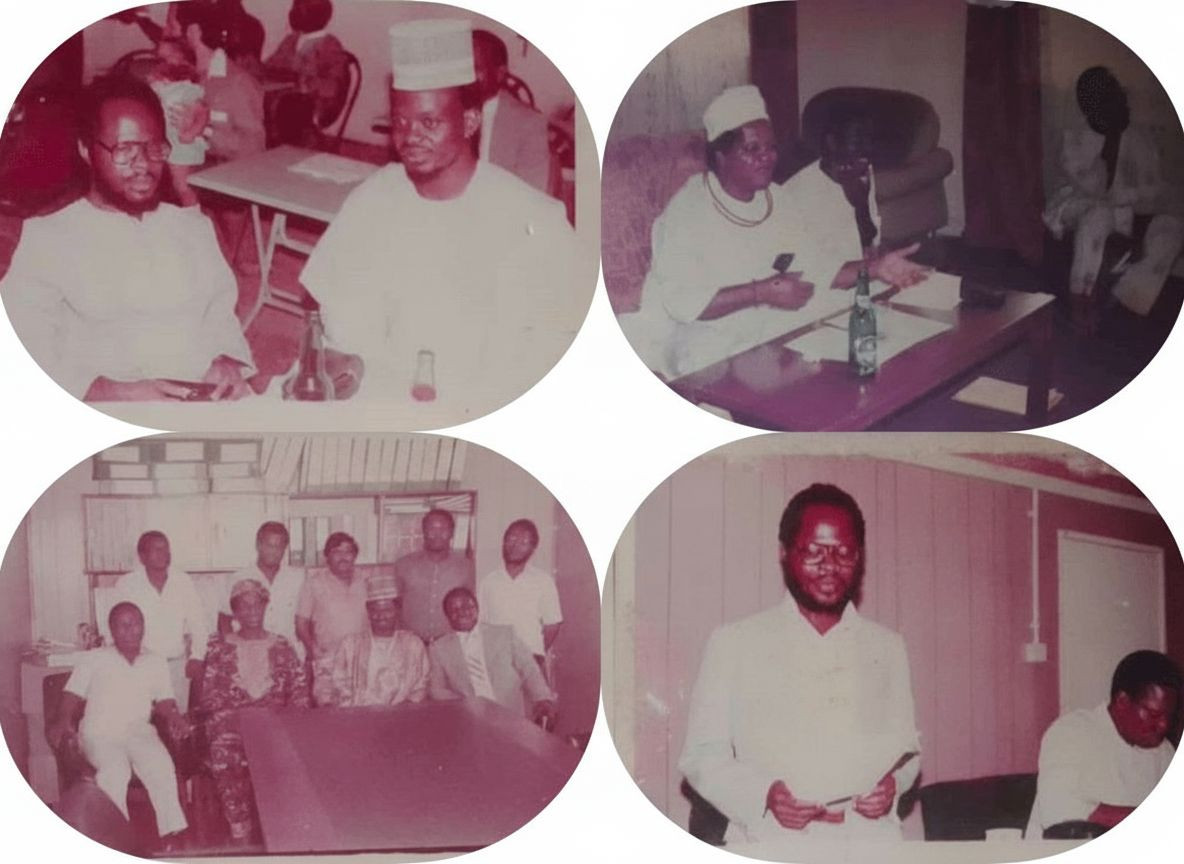
My P&T and NITEL years from 1976 to 1988 were mostly spent in Benin City, and I was deeply conscious of my family's growth, upbringing, and welfare during that time. In 1981, I was among 22 engineering staff nominated for a six-month course on Domestic Satellite Communication in Melbourne, Florida, USA. On completing the course, we returned to Nigeria and I was deployed to the domestic satellite earth station in Benin City for operations and maintenance — which, fortunately, kept me close to home during those early years of raising children.
By mid-1982, I was posted to the Project Execution branch at Zone 3 headquarters in Benin City as a Principal Engineer. I served on a team that travelled for testing and factory inspection at Siemens AG in Munich, Germany — one of the projects Siemens was handling in the zone. In 1983, I was promoted to Assistant Chief Engineer and covered the duties of Project Manager and Contracting Officer for six months when the incumbents were promoted and transferred to headquarters in Lagos. In 1984, I was posted to Enugu as Zonal Chief Engineer for Domestic Satellite Earth Stations, covering Enugu, Owerri, Port Harcourt, and Calabar. In 1985, NITEL was established and I was appointed the first Territorial Manager for Bendel Territory, comprising the present Edo and Delta states.
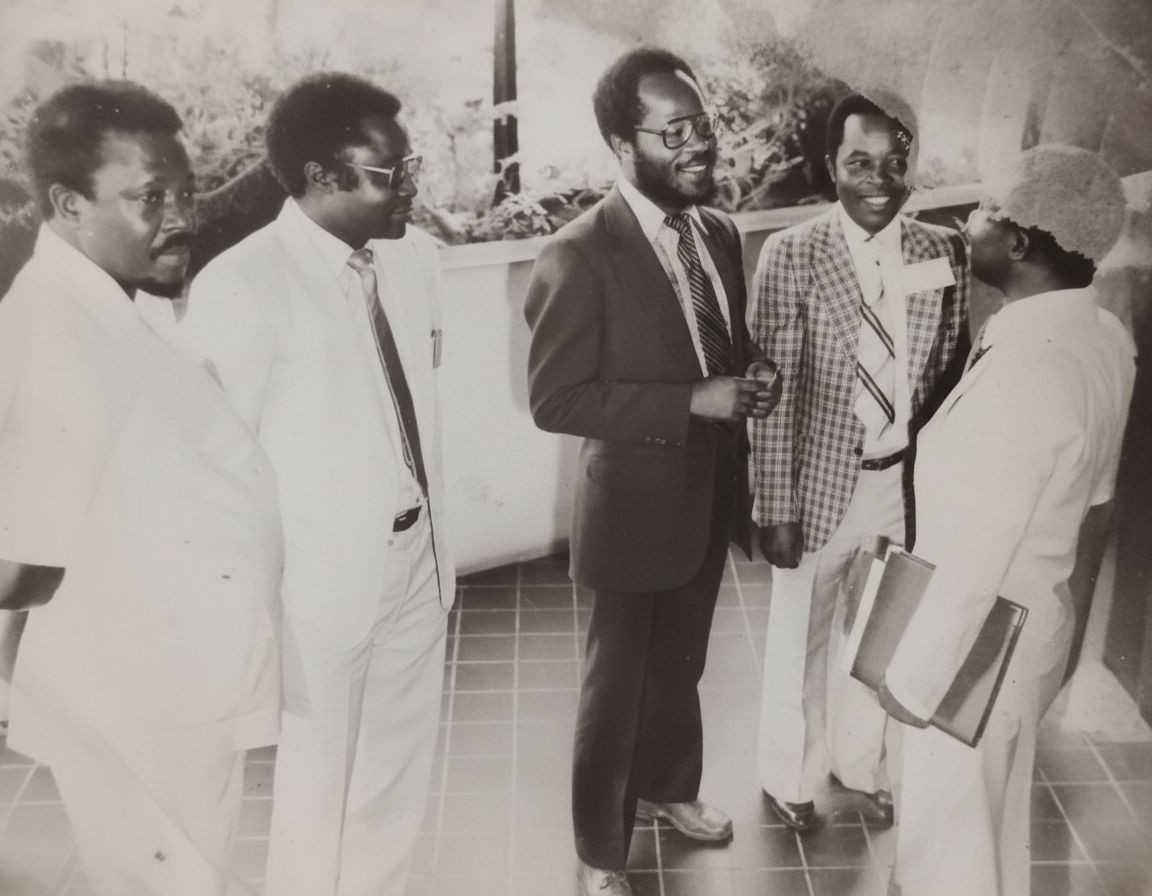
In 1989, I was transferred to the South West Zonal Headquarters in Ibadan as Deputy General Manager, Operations and Maintenance, with oversight responsibility for all NITEL networks across Oyo, Ogun, Ondo, and Bendel states. One of my core leadership principle was competency and meritocracy. For example, during my tenure there, I identified a young, hardworking engineer who excelled at troubleshooting and intervention. I recommended him for a double promotion, which my General Manager, Engineer Fola Alamudu, endorsed and implemented. It made other engineers sit up and contributed to the overall performance of the South West zone at the time.
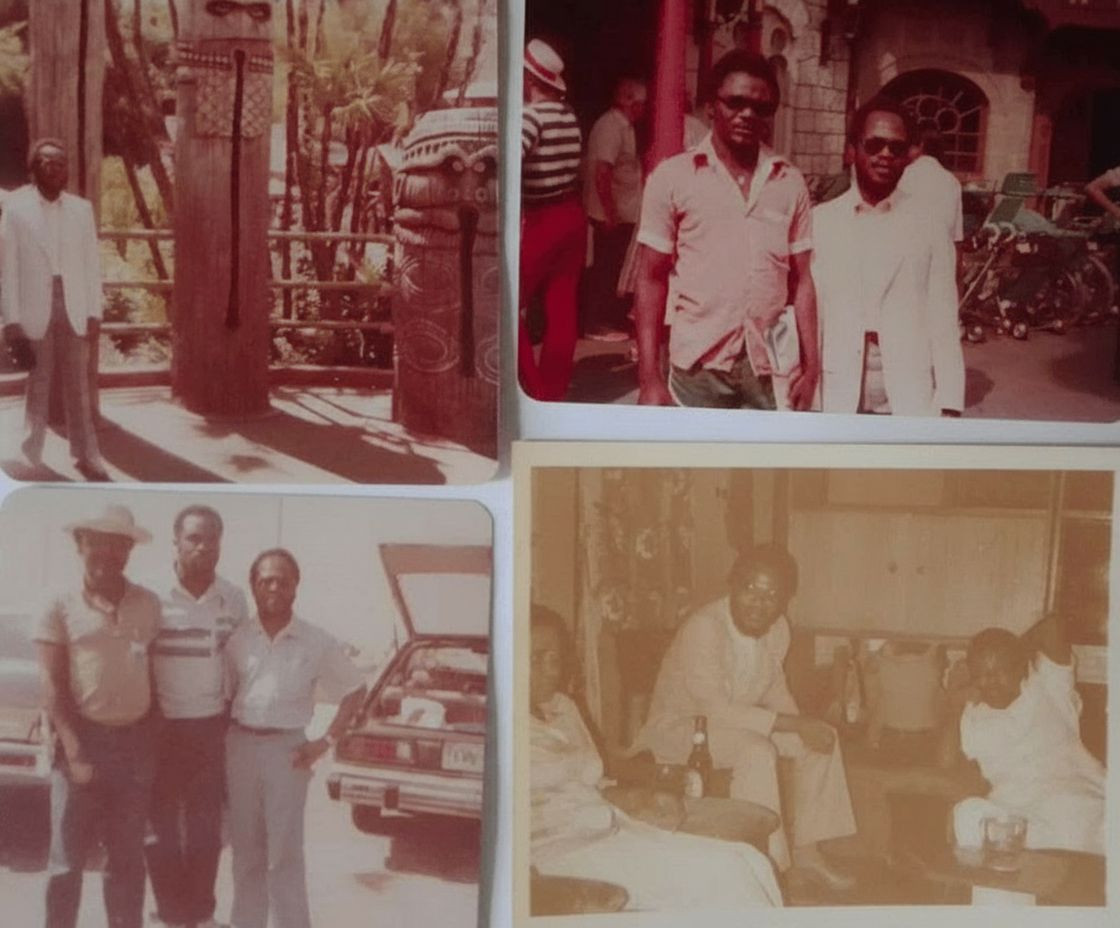
On the home front, as transfers became more common and inevitable, I made a deliberate decision to keep my family rooted in Benin City. This was not simply practical — it was a choice made with purpose: to protect the stability of Agnes's career, to prevent disruption to the children's schooling, and to give them a consistent home. I was the one who went on transfer; my family remained. I visited on some weekends, public holidays, and during annual leave. During the school holidays, the children came to spend time with me, and I made sure to show them the cities, the zoos, and other places worth seeing. For example, when they came to visit me in Ibadan, they were especially fond of the Trans World Amusement Park — a small memory, but one that stays with me.
In 1991, I moved to the position of Deputy General Manager, Planning and Utilization. In 1992, I was promoted to General Manager and posted to the South East Zone in Enugu, overseeing NITEL operations across Enugu, Anambra, Abia, Imo, Rivers, Akwa Ibom, and Cross River territories. During the same timeline, the children started transitioning from primary to secondary and they attended some of the finest secondary schools, particularly those run by the Catholic Church.
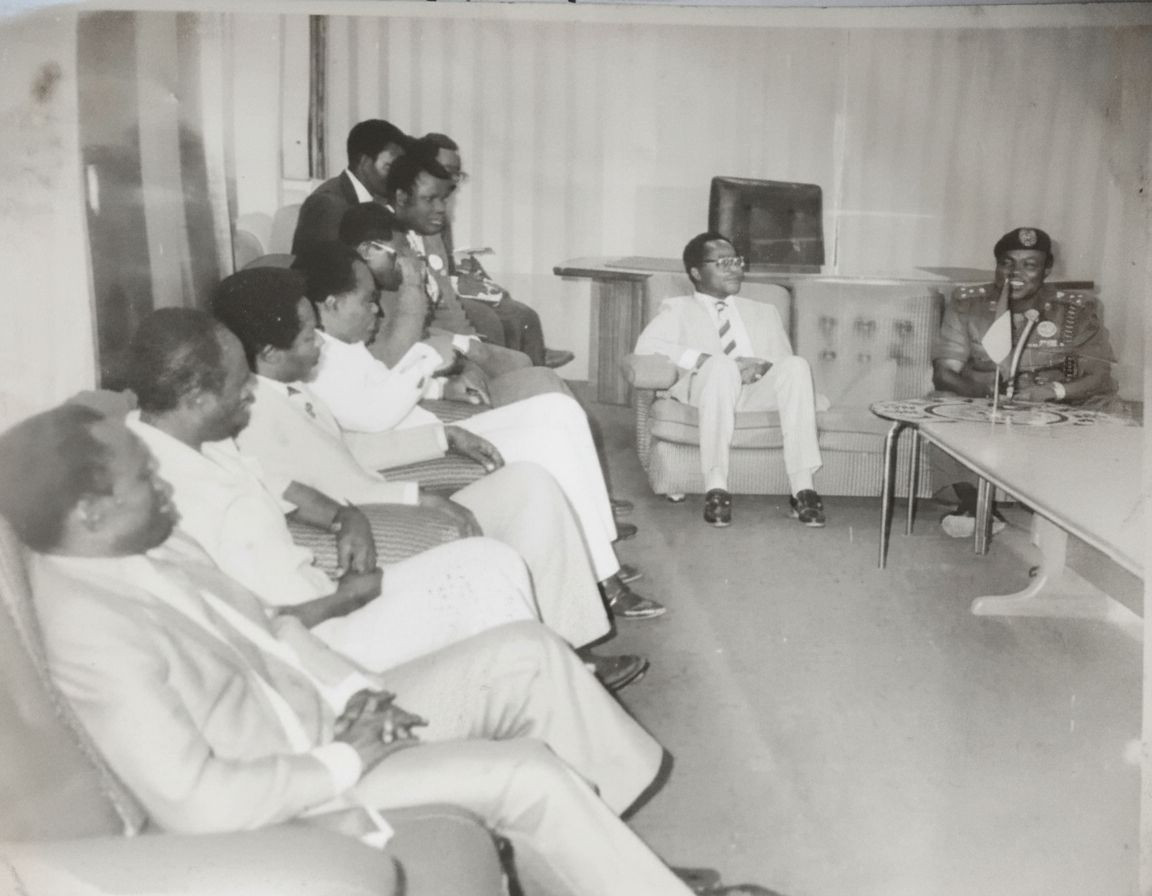
In 1994, I was transferred to corporate headquarters in Lagos, to the Administration, Transport, Estate and Security (ATES) division. That same year, Joseph Wole Okunfulure and I were reunited — after 34 years. It happened during a joint inspection of land belonging to the defunct NET (Nigerian External Telecommunications) by the honourable ministers of Works and Housing and Communications. Alhaji Jakande, Minister of Works, had brought Joseph along as Director of Lands; Alhaji Rimi had brought me along as General Manager, Estate. We met at the site. Joseph looked at me curiously, drew closer, and whispered: "Are you Daniel Oriri?" I replied with his name, and we embraced. The two ministers were astonished. When we explained, they understood, and a friendship lost for 34 years was restored.
In 1996, all the general managers in NITEL were retired during the military administration of General Abacha. This was at 50 years old and had after 33 years of service. We were paid gratuity and followed by monthly pensions. We had built, through all those years of transfer and distance, a family of five children — three sons and two daughters. By divine arrangement, a daughter came first and a daughter came last. We now have eleven grandchildren. Agnes and I look back with gratitude to God for the grace to give our children the opportunities for a good education — which, I have always believed, is the finest legacy a parent can leave. I have always advised them to be devoted to their own families, and to honour the parents who did so much for them, even in difficult circumstances.